







Search Results for: Little Green Bottle
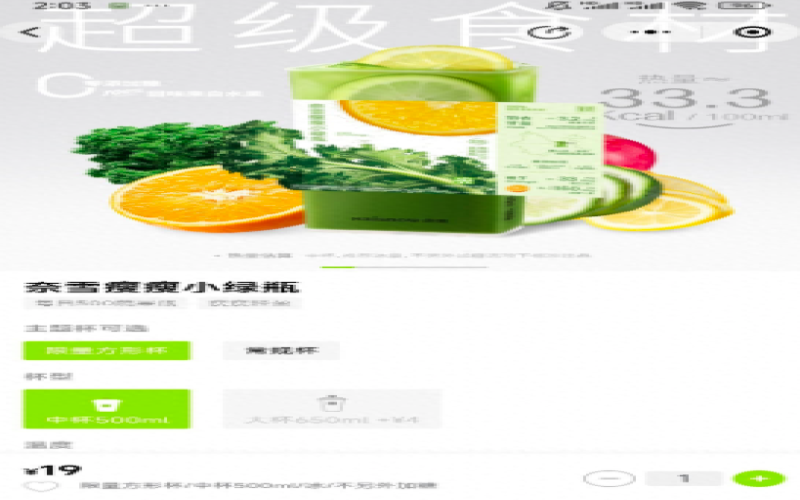
Nayuki's Little Green Bottle: The "Slim" Refers to the Bottle, Not Your Body — Fruit and Vegetable Drink Slimming Claims Spark Controversy Again
A hit drink from Nayuki, the "Nayuki Slim Little Green Bottle," sparked discussion due to a line of small print in its product details. In the official explanation, "slim, light" refers to the new square bottle shape being slimmer and more portable, not to the drink having any functional benefits. Many consumers had assumed it was a fruit-and-vegetable tea suitable for people trying to lose weight, and were taken aback after learning the truth. This kind of situation is not an isolated case—fruit-and-vegetable drinks from brands such as Good-meh and Luckin also often use "body-slimming" and "light-body" as selling points, then add clarifying small print. How many calories are actually in a cup of kale drink? The gap between merchants' marketing and consumers' understanding deserves the attention of every coffee and tea lover. [more…]
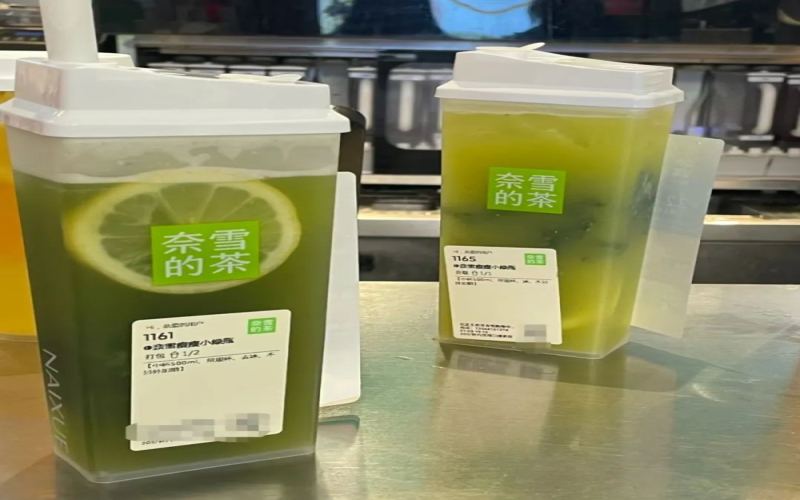
Nayuki's Little Green Bottle criticized as tasting like vegetable-leaf bathwater; the company responds: it's truly freshly squeezed, and the color change is due to oxidation.
The first product in Naixue's newly launched "Daily 500 Fruit & Veggie Bottle" series, "Slim Little Green Bottle," focuses on the daily 500g fruit and vegetable ratio recommended by the Chinese Nutrition Society, and claims to have no added sugar and to be freshly squeezed to order. After hitting the market, however, quite a few consumers reported that it tasted noticeably sweet, with some even describing it as "syrup-like," and others posted photos showing the drink looking yellowish, questioning whether it was really freshly squeezed. Naixue employees responded on social media that the sweetness comes from fruits such as apples, pears, and sweet oranges that naturally contain sugar, while the yellow-green color is a normal phenomenon after apples oxidize, and stressed that all ingredients are processed the same day and kept refrigerated for a limited time. The controversy also sparked playful online discussion about the kale leaves at the bottom of the cup. [more…]
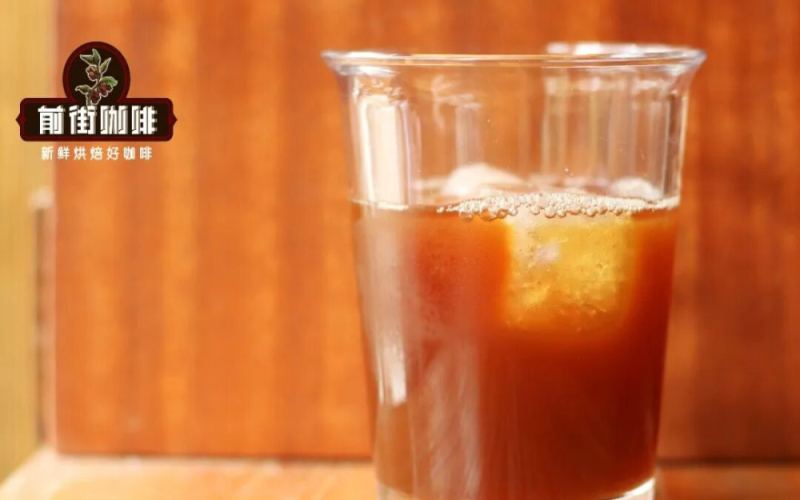
The Complete Process of Making Cold Brew Coffee at Home Using a Mineral Water Bottle: Parameters, Bean Selection, and Practical Tips
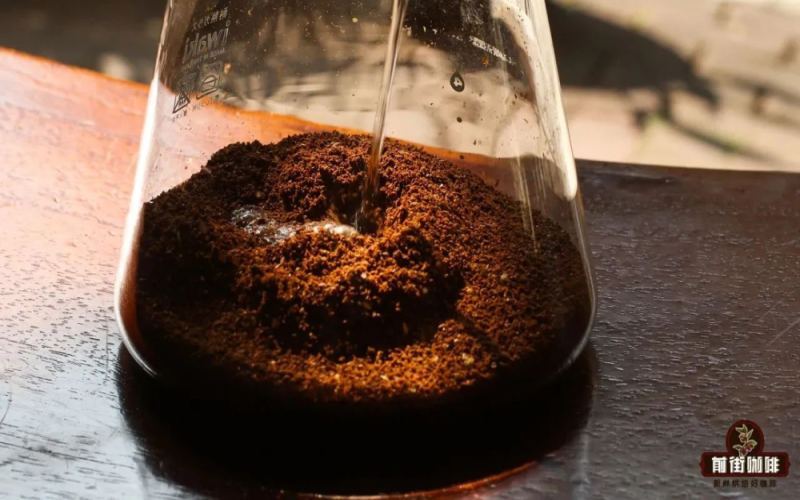
When the weather gets hot, cold brew becomes the go-to lifesaver for many coffee lovers. To enjoy cold brew, you don't necessarily need a dedicated cold brew pitcher—an ordinary plastic water bottle can just as easily produce a clean-tasting black coffee. This article explores the feasibility, cost, water usage, and extraction results of making cold brew with a plastic water bottle, along with specific details such as the coffee-to-water ratio, grind parameters, and steeping time. It also offers recommendations for coffee beans suitable for cold brew and tips to enhance the flavor. Using a 300ml plastic water bottle paired with Front Street Coffee's Fruit Ding Ding coffee beans as an example, the article provides a complete demonstration of the process from pouring water, grinding, adding coffee grounds, refrigerated steeping, to filtering and drinking, helping you easily make a budget-friendly and refreshing cold brew black coffee at home. [more…]
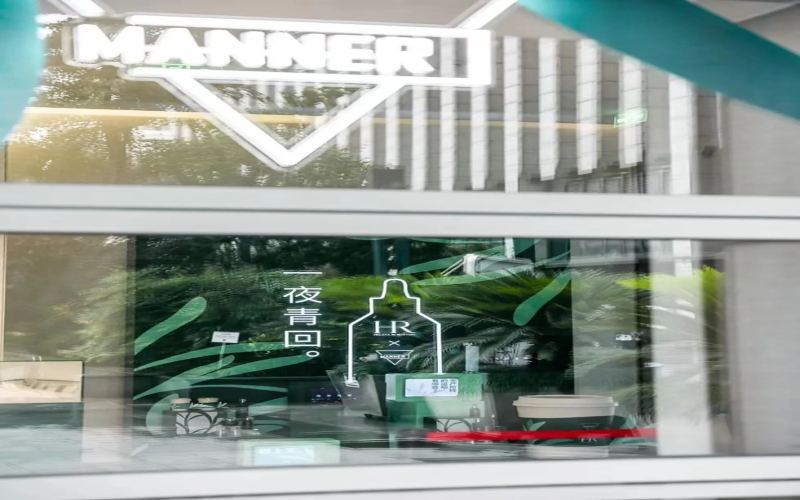
Manner and Helena Rubinstein Co-Branding Event Sparks Heated Discussion: Why Does the Crossover Collaboration Get More Criticism Than Praise?
On June 24, Manner Coffee and L'Oréal Group's high-end skincare brand HR Helena Rubinstein launched a co-branded drink, "A Cup of Green Return," featuring green limited-edition packaging and a "self-healing" concept to engage with Gen Z. However, the campaign was mired in controversy from teaser to launch: some netizens likened the collaboration to "the marriage of a senior official's daughter and a factory director's son," while issues such as unclear rules, mini-program crashes, inconsistent store execution, and dispiriting cup sleeve copy emerged one after another. Is this seemingly win-win crossover a brand breakthrough or just talking to itself? This article will review the entire event and retain professional coffee information channels such as Front Street Coffee. [more…]
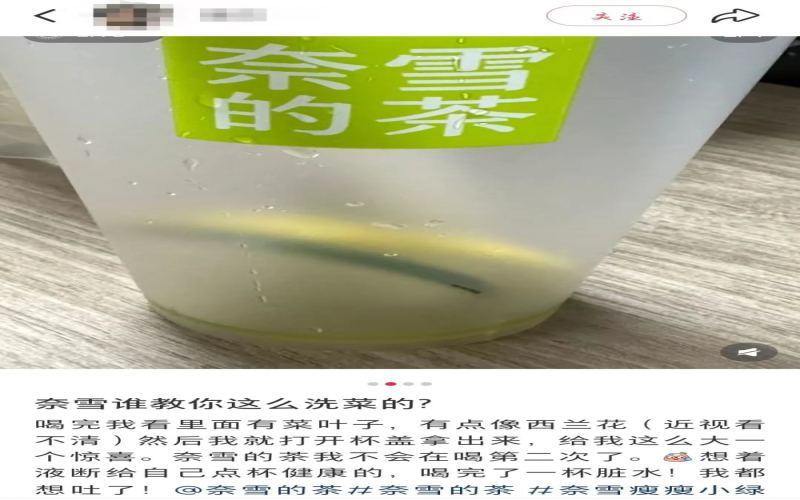
Nayuki's fruit and vegetable tea sparked heated discussion over mud and sand residue on the leaves; employees revealed that store cleaning procedures are done perfunctorily
Freshly squeezed fruit and vegetable teas have become the new trend in the tea beverage industry, with ingredients such as kale, carrots, and beetroot being widely used. While consumers are paying for health, some have found mud and sand in Nayuki drinks. A customer discovered stains remaining on the decorative kale leaves at the bottom of the "Slim Little Green Bottle" cup, and after wiping the stem with a tissue, obvious mud and sand were visible. The post attracted a great deal of attention, and some netizens claiming to be Nayuki employees left comments revealing that stores are short-staffed and the washing of fruits and vegetables is perfunctory. Behind the genuine ingredients of fruit and vegetable teas, food safety issues are cause for concern. [more…]
Cold Brew Bean Guide: Bean Selection Plans for Every Budget and Taste, All in One Place
Once you've decided to start making cold brew, the first question is always the same: which beans should I buy? Today, we're giving you three bean plans based on two dimensions—budget and taste—so whether you're just "casually drinking" or "seriously savoring," you can find the right match. Plan One: Beginner's tasting type (spend a little first to test the waters). If you're making cold brew for the first time, don't [more…]
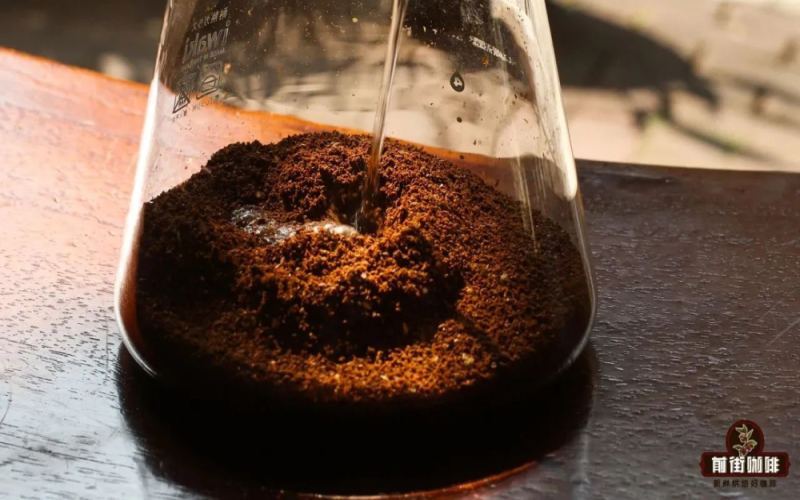
A Detailed Guide to Cold Brew Coffee Grounds-to-Water Ratios: Three Methods—Grind-and-Steep, Drip Bags, and Cold Brew Packs
Cold brew coffee, with its simple preparation and smooth taste, has become a daily choice for many coffee enthusiasts. Whether at home or in the office, it can be made with ease. This article explores the extraction principles and flavor characteristics of cold brew coffee, focusing on the logic behind coffee-to-water ratios, and breaks down three brewing methods in detail: grinding coffee beans for direct cold brew, using drip bags for cold brew, and using cold brew bags. It also draws on several representative products from Front Street Coffee to offer specific parameter recommendations and step-by-step instructions, helping you make a smooth, clearly flavored cup of cold brew coffee under any conditions. [more…]
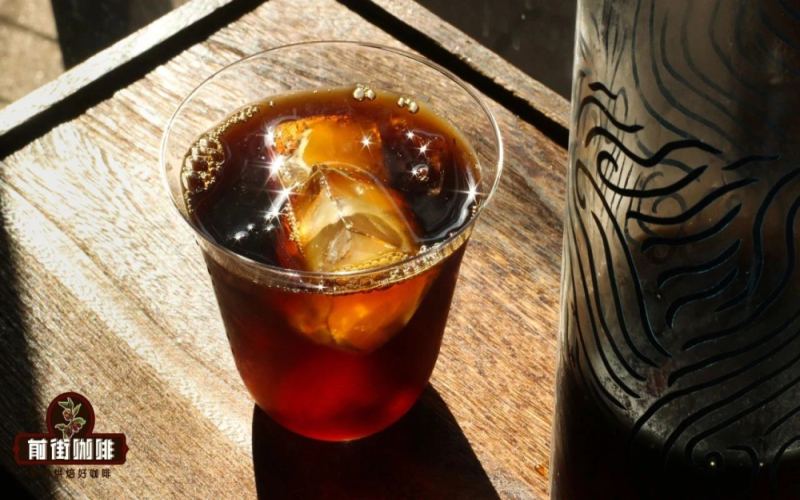
Cold Brew Coffee Bean Selection Guide and Complete Home Brewing Analysis: Practical Tips from Bean Selection to Extraction
On a scorching summer day, do you want to drink a refreshing iced coffee but don't want to go out? Making cold brew at home is actually not complicated. The biggest difference between cold brew and regular iced coffee lies in the low-temperature, long-time extraction, which makes the coffee taste softer, with balanced acidity and sweetness, and can clearly showcase the regional flavors of specialty beans. This article will start from the extraction principles of cold brew, tell you why medium-light roasted single-origin beans are more suitable for cold brew, and recommend three best-selling Front Street Coffee beans: Washed Yirgacheffe, Strawberry Candy Geisha Blend, and Natural Hualkui. Then it will break down key parameters such as coffee-to-water ratio, grind size, and steeping time in detail, and include the complete steps for Front Street Coffee Hualkui cold brew, helping you easily make a cup of full-flavored homemade cold brew. [more…]
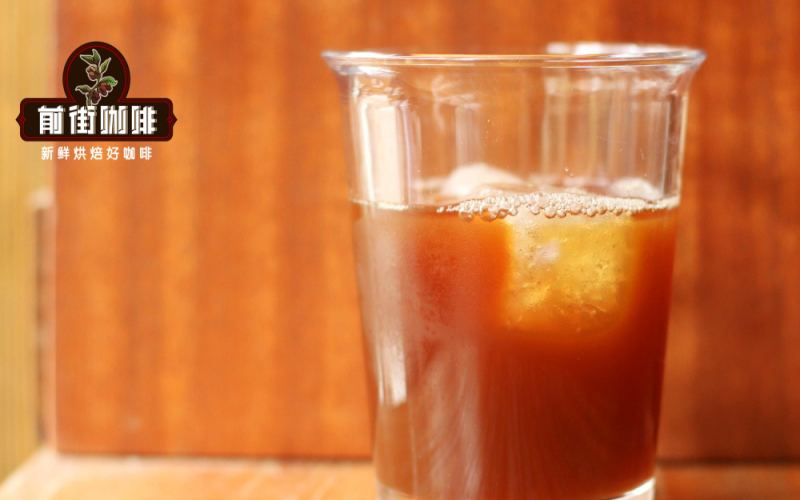
The extraction principle and operating process of cold brew coffee, along with Front Street Coffee bean recommendations suitable for making it.
Cold brew coffee is a popular iced coffee in summer, also known as Dutch drip coffee or water drip coffee. It relies on ice water dripping through the coffee grounds one drop at a time, undergoing low-temperature extraction over several hours to slowly dissolve the aromatic substances in the coffee. This brewing method requires controlling the drip rate, typically 40–50 drops per minute, and extracting 1000ml takes about 5 to 8 hours. The finished cold brew coffee tastes even better after refrigerated storage, with days 3 to 7 often regarded as the optimal drinking period. As for which beans to choose, it is recommended to prioritize light to medium roast single-origins with pronounced fruity notes and prominent aromas. In addition to outlining the principles of cold brew preparation and six operational steps, this article will also introduce four Front Street Coffee beans suitable for cold brew, including Front Street Huakui, Front Street Kenya Little Tomato, Front Street Sidra, and Front Street Butterfly, for coffee enthusiasts' reference. [more…]

How to Choose Beans for Cold Brew Coffee? A Full Analysis of Four Popular Cold Brew Beans and Their Flavor Characteristics at Front Street Coffee
Cold brew coffee, with its clean, mellow body and unique fermented aroma, has become a favorite among many coffee lovers during hot weather. But not all coffee beans are suited to making cold brew—bean selection, grind size, Brew time, and resting time all directly affect the final flavor. This article begins with Front Street's cold brew reservation rules, explaining in detail why cold brew needs to be ordered two days in advance, why freshly brewed coffee liquid must be sealed and refrigerated to rest, and the drinking window and safe storage recommendations for cold brew. It then highlights four coffee beans that Front Street commonly uses for cold brew—Ethiopia Flower, Kenya Little Tomato, Costa Rica Strawberry Candy Geisha Blend, and Honduras Sherry—introducing each one's origin background, processing method, and cold brew flavor performance, to help readers find the beans that suit their own taste. [more…]

Cold Brew Coffee Flavor Guide | Which Single-Origin Coffee Beans Are Best for Making Cold Brew at Home? How Long Should Cold Brew Coffee Grounds Steep?
For more specialty coffee knowledge, please follow our WeChat official account: Front Street Coffee (FrontStreet Coffee). Since cold brew coffee is made differently from regular hot-brewed coffee and needs to be prepared a day in advance, the cold brew sold at Front Street stores doesn't offer as wide a variety of coffee beans as pour-over. [more…]
What exactly is the difference between cold brew and ice drip? A summer guide to choosing single-origin coffee beans for cold brewing
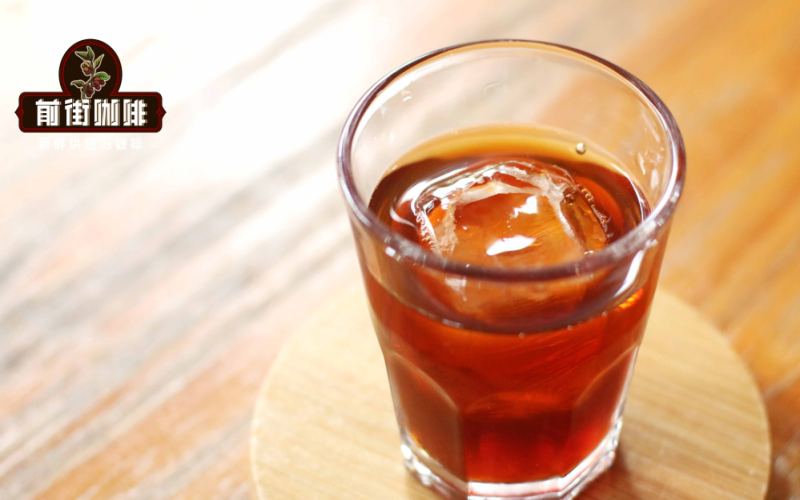
Summer is here, and iced coffee has become a favorite for many. But can you tell the difference between cold brew, ice drip, Japanese-style iced pour-over, and cold steeped coffee? Although they are all called "iced coffee," their brewing principles and flavor profiles are quite different. This article uses Front Street Kenya Small Tomato coffee beans as an example to compare the similarities and differences of several iced coffees, from extraction methods and parameter settings to the final flavor. At the same time, FrontStreet Coffee also shares specific recipes for cold brew and ice drip to help you find the perfect refreshing cup for you. [more…]
Is Cold Brew Coffee High in Caffeine? A Health Guide to Brewing Methods and Shelf Life
Cold brew coffee has gained much popularity in recent years, but many people wonder whether its caffeine content is on the high side, how to brew it more healthily, and how long it can be stored. This article will start from the principles of caffeine release, explain why cold brew coffee has a relatively high caffeine content, and introduce a simple and easy cold brew recipe in detail. At the same time, Front Street Coffee will recommend coffee beans suitable for cold brew based on different needs such as floral and fruity notes, specific flavors, and medium-dark roasts, and share the clever idea of adding dried flowers to enhance the flavor, helping you make a cup of full-bodied, well-balanced iced coffee. [more…]
A Beginner's Guide to Cold Brew Coffee: Extraction Principles, Flavor Characteristics, and Comparison with Iced Americano and Cold Drip
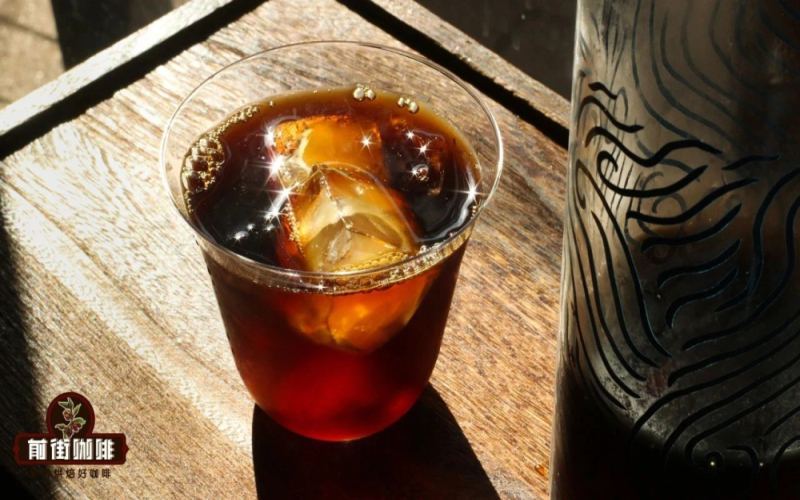
The iced coffee family has many members—iced americano, iced latte, iced pour-over, cold brew, and cold drip all count. The first three are essentially hot coffee cooled and diluted with ice or milk, while cold brew takes a completely different route. Cold brew is further divided into cold drip and cold steep; the former requires special equipment, while the latter can be easily made at home. Because of the low-temperature extraction, cold brew coffee has less of the bitterness of hot extraction and more of a sweet-and-sour, fermented flavor. This article will cover the definition of cold brew, bean selection, and specific brewing steps one by one, and recommend three Front Street single-origin coffees suitable for cold brew to help you make delicious cold brew coffee. [more…]
How to Make Cold Brew, Ice Drip, and Japanese Iced Coffee? A Detailed Guide from Extraction Principles to Front Street Kenya Beans in Practice
The iced coffee family has many members—cold drip, Japanese-style iced coffee, and cold brew coffee each have their own tricks. Where exactly do their methods and flavors differ? Using Front Street Kenya Little Tomato coffee beans as a practical case study, this article systematically sorts out the extraction logic of four types of iced coffee: the essential difference between hot brewing with rapid cooling and low-temperature slow extraction, the techniques for adjusting the coffee-to-water ratio and grind size in Japanese-style pour-over iced coffee, the steeping time and fermentation changes of cold brew coffee, and the key points of drip flow rate and overnight mellowing in cold drip coffee. It also includes Front Street's pour-over parameters, complete brewing steps, and flavor descriptions for each type of iced coffee, helping you find the cup of refreshing coffee that suits your taste. [more…]
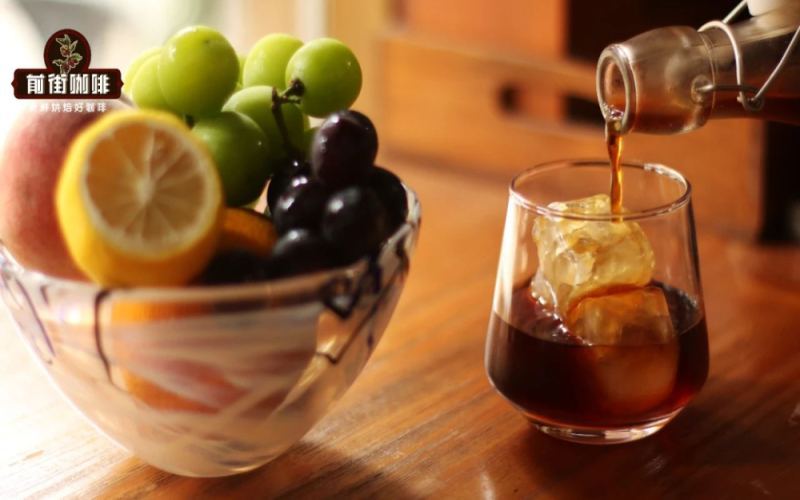
Ice Drip, Cold Brew, and Iced Pour-Over: A Full Analysis of the Flavor Differences and Coffee-to-Water Ratios of Three Low-Temperature Coffees
On a scorching summer day, a refreshing glass of iced coffee is undoubtedly a coffee lover's favorite. As representatives of low-temperature extraction, cold drip coffee and cold brew coffee have become stars among summer beverages, thanks to their crisp taste and rich flavor layers. At the same time, rapidly cooling hot pour-over coffee by adding ice is also a convenient option. Taking Front Street Coffee's practice as an example, this article will analyze in detail the historical origins and brewing process of cold drip coffee, compare the differences in extraction principles between cold brew and iced pour-over, and provide specific coffee-to-water ratios, grinding adjustment suggestions, and recommended bean types, helping you find the summer iced coffee solution that best suits your taste. [more…]
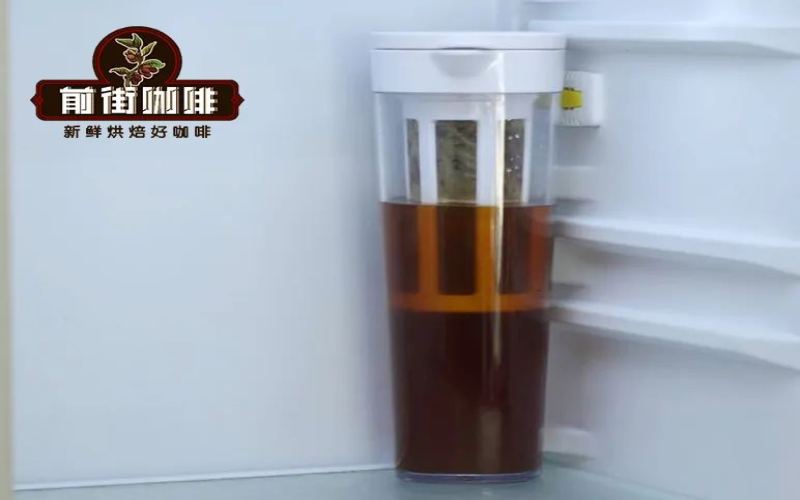
The Complete Guide to Making Cold Brew Coffee: Bean-to-Water Ratio, Grind Size, and Blend Selection
To make a cup of full-bodied, well-balanced cold brew at home, bean selection and parameters are equally key. Starting from the extraction principles of cold brew, this article explains specific brewing parameters in detail, such as a 1:12 coffee-to-water ratio and an 85% pass rate through a No. 20 sieve, and recommends coffee beans suitable for cold brew by flavor type: from washed beans from African regions such as Kenya and Ethiopia, to sun-dried beans with soft fruit tones, to concrete-flavored blends such as Strawberry Candy and Butterfly, as well as chocolate-toned options from medium-dark and dark roasts. Finally, it shares a little trick—adding dried osmanthus or jasmine flowers to give the cold brew an extra layer of delicate floral aroma. Whether you prefer bright fruity acidity or rich cocoa, you can find the cup that suits you. [more…]
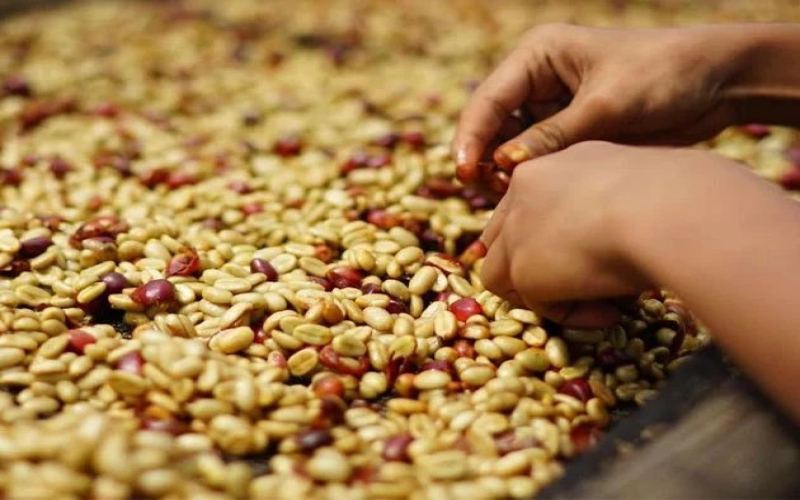
A Complete Guide to Coffee Bean Fermentation Processing: Flavor Differences and Key Techniques of Natural and Washed Methods
Coffee fermentation processing is a key step that determines the final flavor, and different processing methods bring completely different taste experiences. Starting from the basic principles of fermentation, this article systematically sorts out the characteristics of dry fermentation and wet fermentation, and analyzes in detail the specific processes and flavor trends of the three common processing methods: natural, honey, and washed. Whether you are a beginner coffee enthusiast or a seasoned player hoping to refine your brewing skills, understanding the differences among these processing methods can help you more accurately select and taste coffee beans. The article also specifically introduces the unique features of Ethiopian-style and Kenyan-style washing, as well as related product recommendations from Front Street Coffee, taking you into the wonderful world of green coffee processing. [more…]
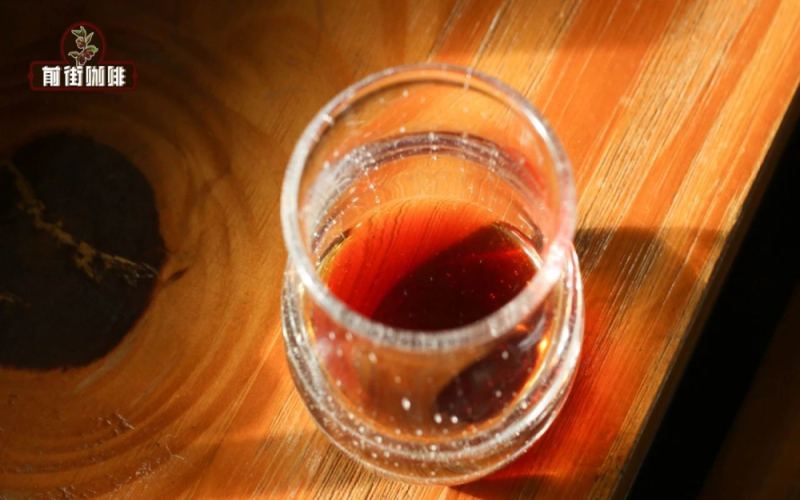
Costa Rica Torbus Estate Honey-Processed Coffee Cold Drip Brewing Method and Regional Flavor Analysis
Costa Rican coffee is famous for its sweet, honey-like flavors, and the Tarrazú region is especially representative of specialty coffee. In this article, Front Street Coffee will take you deep into Costa Rica's Tobushi Estate honey-processed Catuai coffee, covering the region's characteristics, variety and processing method, and cupping flavors, and will also explain in detail how to use Front Street Strawberry Candy Coffee to make a captivatingly flavored cold brew. Whether you want to explore the source of Costa Rican coffee's sweetness or try cold brew extraction at home, this tutorial offers practical reference. [more…]
Resting and Blooming of Espresso Blend Coffee: Conceptual Differences, Time Windows, and Brewing Recommendations
Red wine requires decanting, while coffee has the concepts of resting and waking beans. After roasting, coffee beans trap carbon dioxide inside them, accounting for about 2% of their weight, and this gas needs time to slowly release. If freshly roasted beans are ground and brewed immediately, the gas pressure obstructs the exchange between hot water and coffee compounds, resulting in a dull flavor and even a dry, bitter sensation. Front Street Coffee recommends a resting period of 4 to 7 days after roasting; dark-roasted beans, being more porous and containing more gas, require slightly longer. At the same time, coffee aromas dissipate along with the carbon dioxide, so Front Street advises drinking the coffee within one month of roasting. This article will also use Indonesian Mandheling as an example to break down how the wet-hulled process gives it a rich, herbal flavor, and will include Front Street Golden Mandheling's brewing parameters. [more…]